
History
An idea emerges
On 20th February 1945 the Uley and Owlpen Welcome Home Fund Charity held its inaugural meeting.
Committee members Mr Mills, Mr Bruton, Mrs Capel, the Rev T C Deakin, the Rev P Griffiths, Dr Hosken, Mr Hoyle, Mrs Hoyle, Mr Hurcombe, Mr Kirby, Mr Murray-Browne and Mr Watson had decided that the charity should provide for “the reception and welfare of serving men and women on demobilising including the provision of a suitable Peace Memorial.” And to meet this objective, members agreed that there should be a playing field – at least six acres in size - serving Uley and Owlpen, and that this would be a fitting Peace Memorial.
The challenges begin
Funds were raised and the committee starting looking for the right location. Finding suitable flat ground in a sloping valley was a real challenge. Over the next twelve years, sites were located and deemed to be unsuitable, too small, or permission to purchase was refused. But the committee would not be defeated.
More red tape
A further blow came in 1951 when the charity was told that the provision of a recreation ground was not covered by the Objects clause of the charity, even though the name had been properly changed.
The returning service men and women for whom the funds were originally raised were offered a sum of money, a dinner, or a campaign to create a playing field. They generously chose the third option, putting the plan firmly back on track. The search for a site continued with renewed vigour.
Finally, in April 1957 Miss Hill of Stonehouse agreed to sell a field at Shadwell, described as being part of Marsh Farm. After considerable bargaining, she agreed to sell the 5.708-acre field for £1,000. The purchase was completed on 25th March 1959.
But the battle was not yet over. In 1959, the houses at Shadwell had not yet been built, and so access remained difficult for many years until the necessary infrastructure was laid in the 1980s.
The cost of the project – at this point solely a memorial playing field - including purchase and levelling the ground was estimated at £2,447. This was to be funded in part by the former Welcome Home Fund and by extra fundraising.
The pavilion was completed, after additional fund raising, in 1961.

Success at last!
The thirteen beech trees
In 1990 a service of dedication was held at the playing field. Thirteen trees were planted in memory of the thirteen Uley men who were killed in World War II. You can find out more about each of these brave soldiers here.
The new pavilion
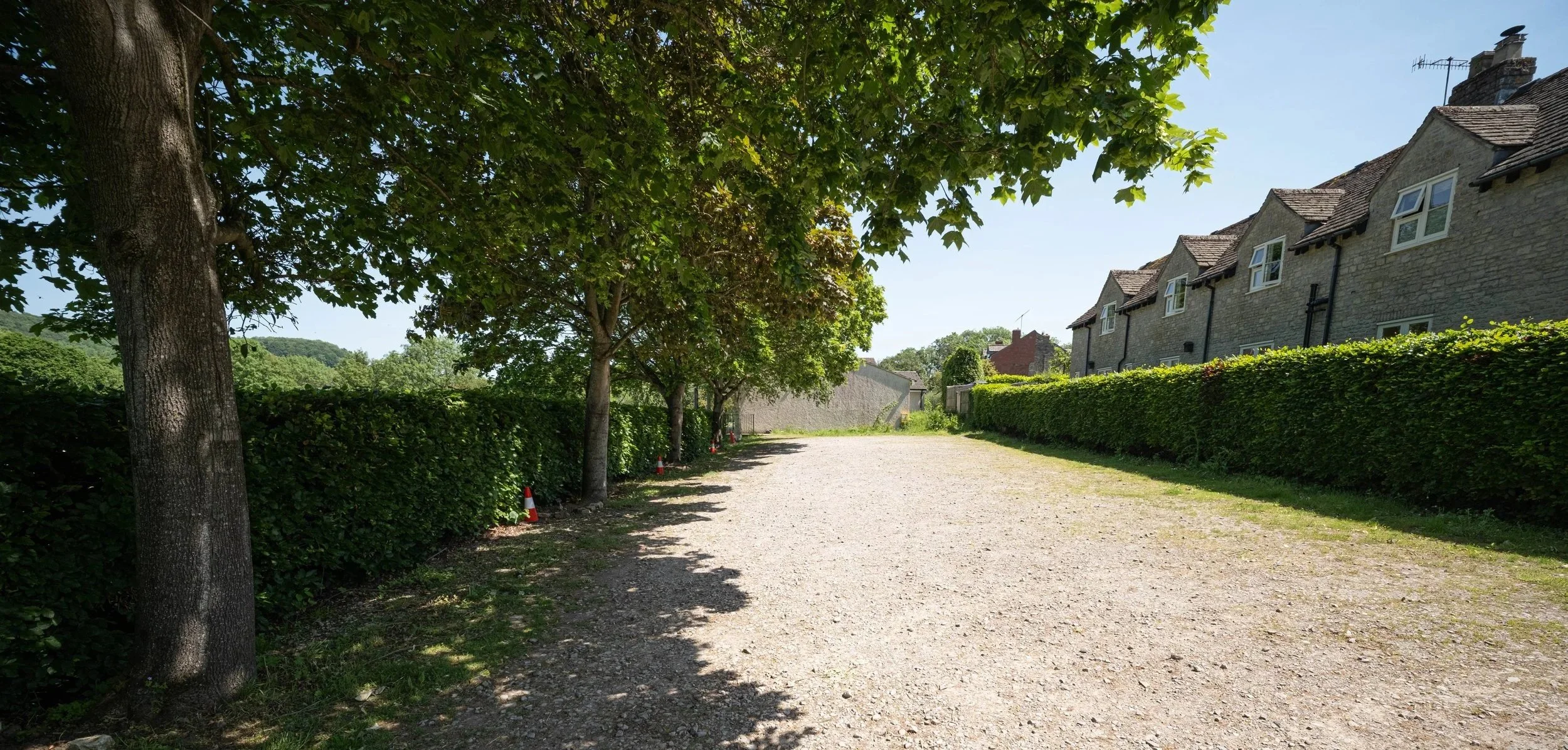
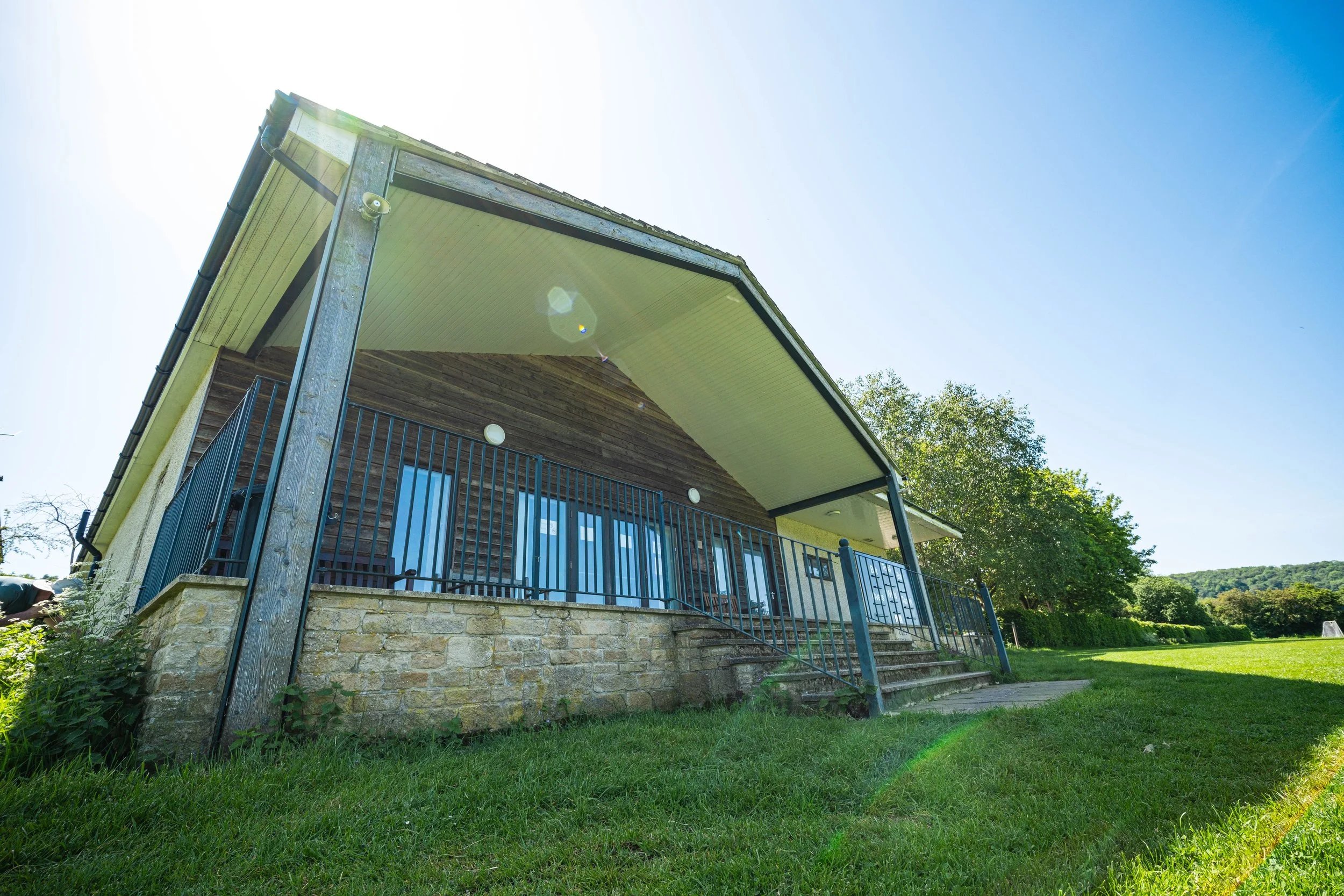
By 2000, the pavilion, although much-loved was showing its age, and so a fund-raising campaign to build a new pavilion was launched, led by Wayne Fisher, a skilled local stonemason. By 2012, Wayne and his friend Jeremy Williams had raised £50,000 by running a weekly village lottery. This inspired a redoubling of fundraising activity, and eventually £205,000 was raised.
The current pavilion was officially opened on Monday 5th May 2013 by the celebrated dancer and choreographer, Dame Gillian Lynne, who lived in Uley.
Local historians have contributed to a more detailed account, which you can read on the Uley Parish Council website
Remembering the thirteen young servicemen from Uley who were killed in action
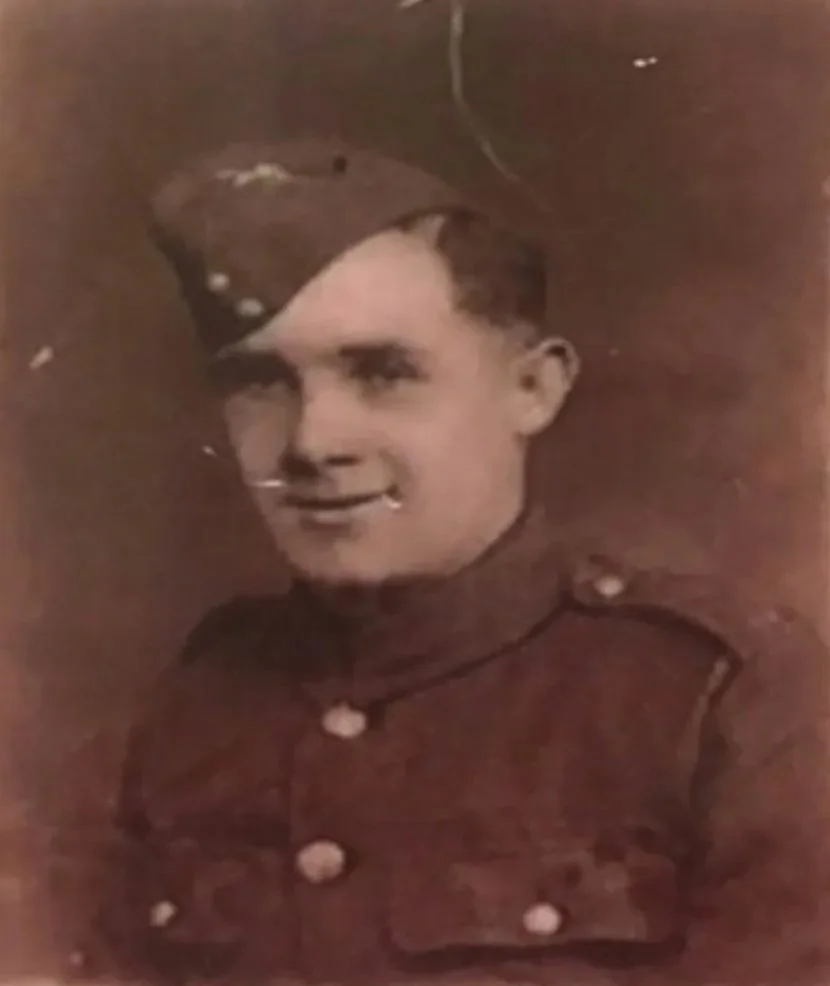
Lionel Biddell - of Crawley Hill and Lampern View
Served with the Sherwood Rangers tank regiment in North Africa, Sicily and Italy. He took part in the D Day Landing.but was killed in action at Rauray in June 1944 aged 37 years. Remembered at Bayeau Commonwealth War Grave.

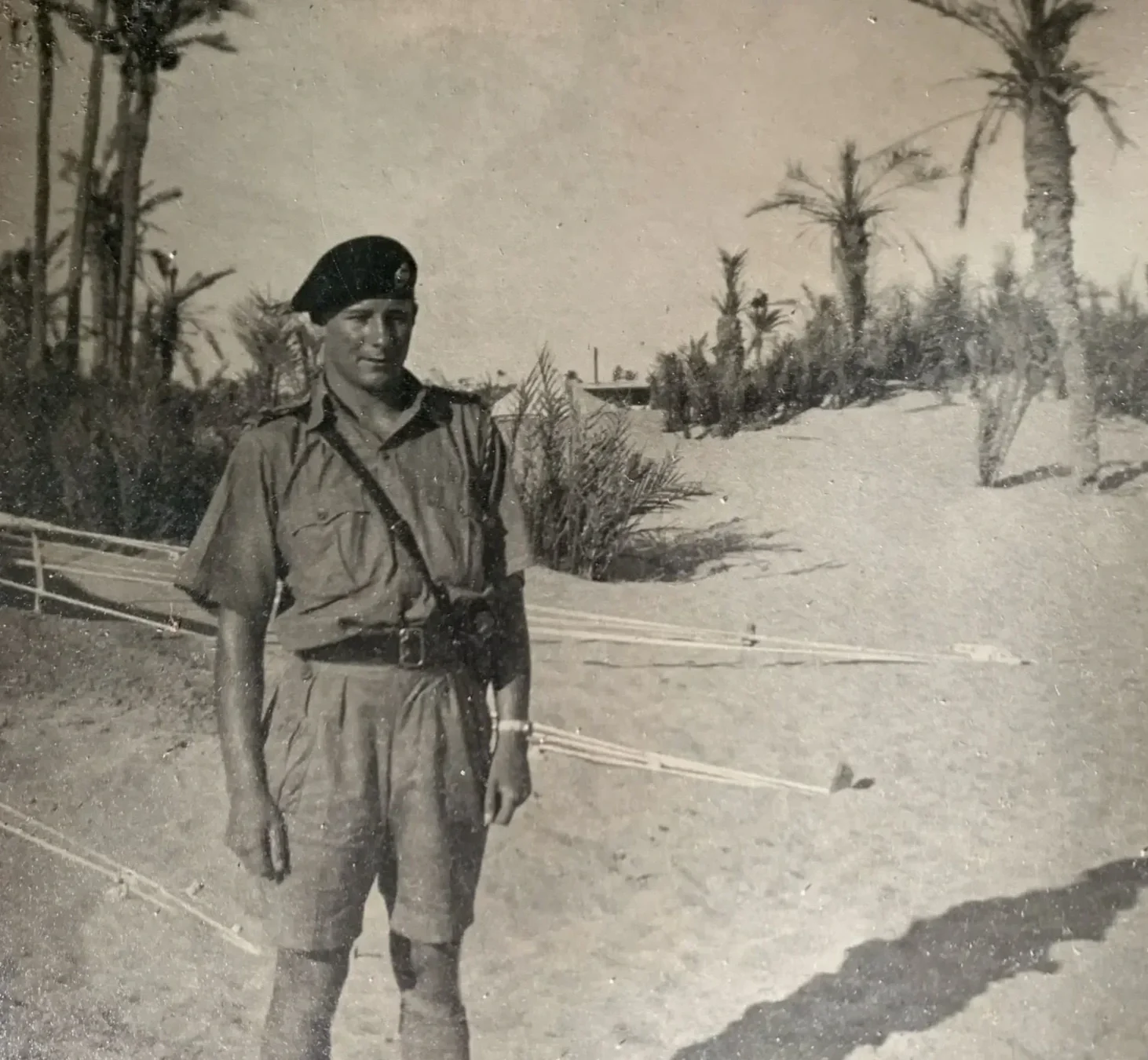
Roger Disney Bancroft Fayle – of Uley Lodge
Served with 7th Royal Tank Regiment. Killed 1st July 1942 in action outside Tobruk. Remembered at Alamein Commonwealth War Grave.
Lloyd Fisher - of Shadwell
Served in the South Wales Borderers. After the D Day Landings was killed in action at Falaise in August 1944 aged 28. Remembered at Ranville Commonwealth War Grave at Calvados, France.
John Forty – of The Cowpen, Woodstock Terrace
Served in the Royal Navy in Atlantic and Mediterranean, where his ship HMS Kandahar was sunk by enemy mines on 20th December 1941 and he was killed aged 19 years. Remembered at Plymouth Naval Memorial.
Donald Furber – of the King’s Head, Uley
Served in RAF. Whilst based at an Operational Training Unit at Turkestan, Northants, he was killed when his Wellington bomber crashed on a training flight, aged 19 years.
Reginald Jesse Hobbs – of Hobbs Hall in Coaley Way
Served in the Pioneer Corps. Believed to have returned from the war with Typhoid and died locally. Buried in the churchyard at St Giles, Uley.
Wilfred Hollister – of Woodstock Terrace
Served for four years with 3rd Carabiniers (Prince of Wales’s Dragoon Guards), Royal Armoured Corps in India and Burma, where he fought at Imphal and Nunshigum Ridge and where he died in December 1944, believed from typhoid, aged 36 years. Remembered at Imphal Commonwealth War Cemetery, India.
Jack Ronald Hurcombe – of Bencombe Gables, Lampern Hill
Served with the RAF in North Africa based at Abu Sueir, Egypt. Killed 19th January 1945 aged 21 years. Remembered at Alamein Commonwealth War Grave.

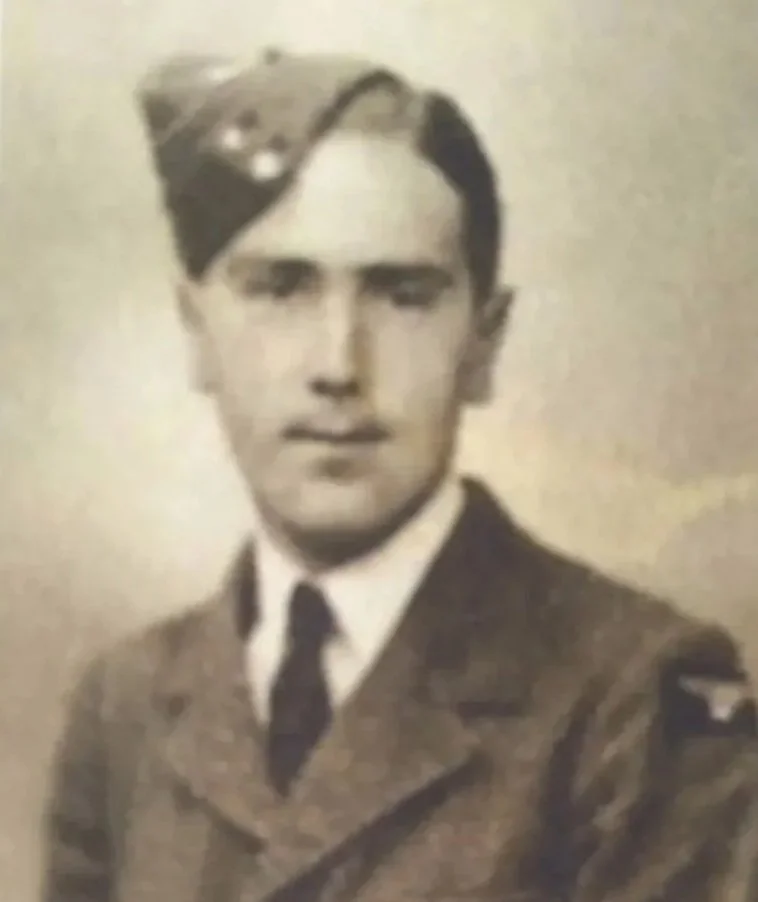
Peter Lascelles-Hoyles - of Bencombe House
RAF Gunner in Wellington bomber. Killed in action Northern Europe May 1942 aged 20. Remembered at the Air Force Memorial at Runnymede.
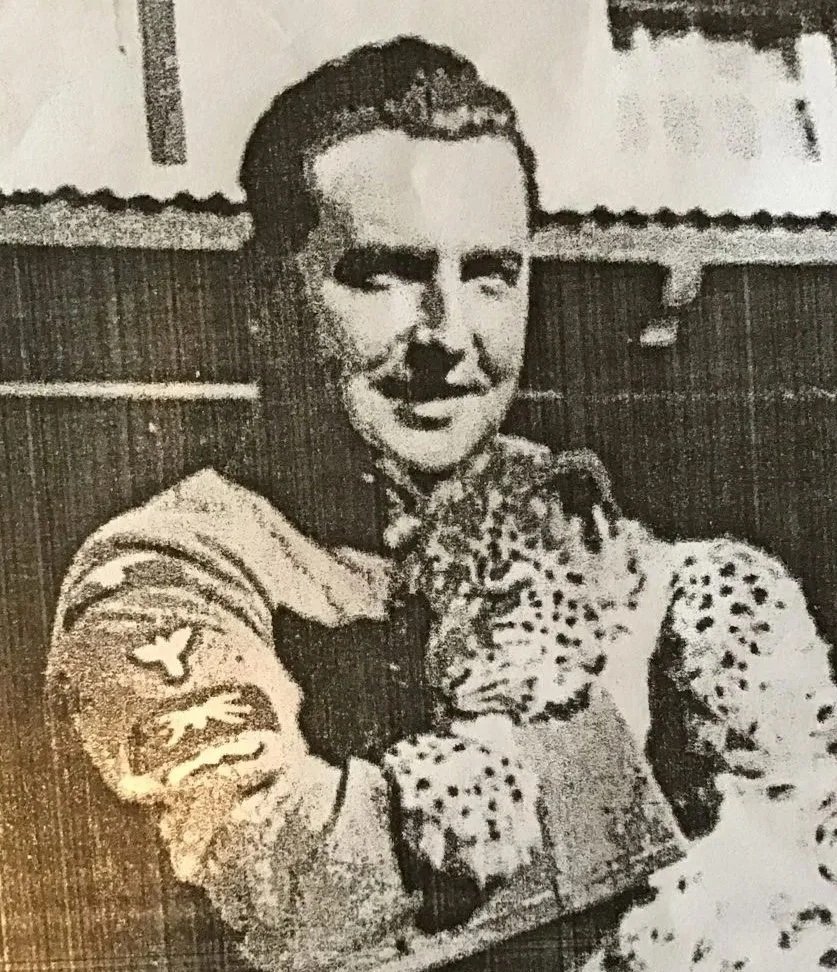
Ewart Smith - of Shadwell
Served with 101 Squadron RAF based at West Raynsham, Norfolk. Killed 5th July 1940 aged 31 years when his Bristol Blenheim bomber was shot down over the North German coast. Buried at Kiel War Cemetery and remembered at the RAF Memorial at Runnymede.
Albert Victor Thompson - of Lampern View and Shadwell
Served in the Gloucestershire Regiment at Dunkirk, India, Burma and Normandy. Landed Gold Beach on D-Day but killed at Tilly-sur-Seulles aged 31 years. Remembered at Bayeux Commonwealth War Grave.

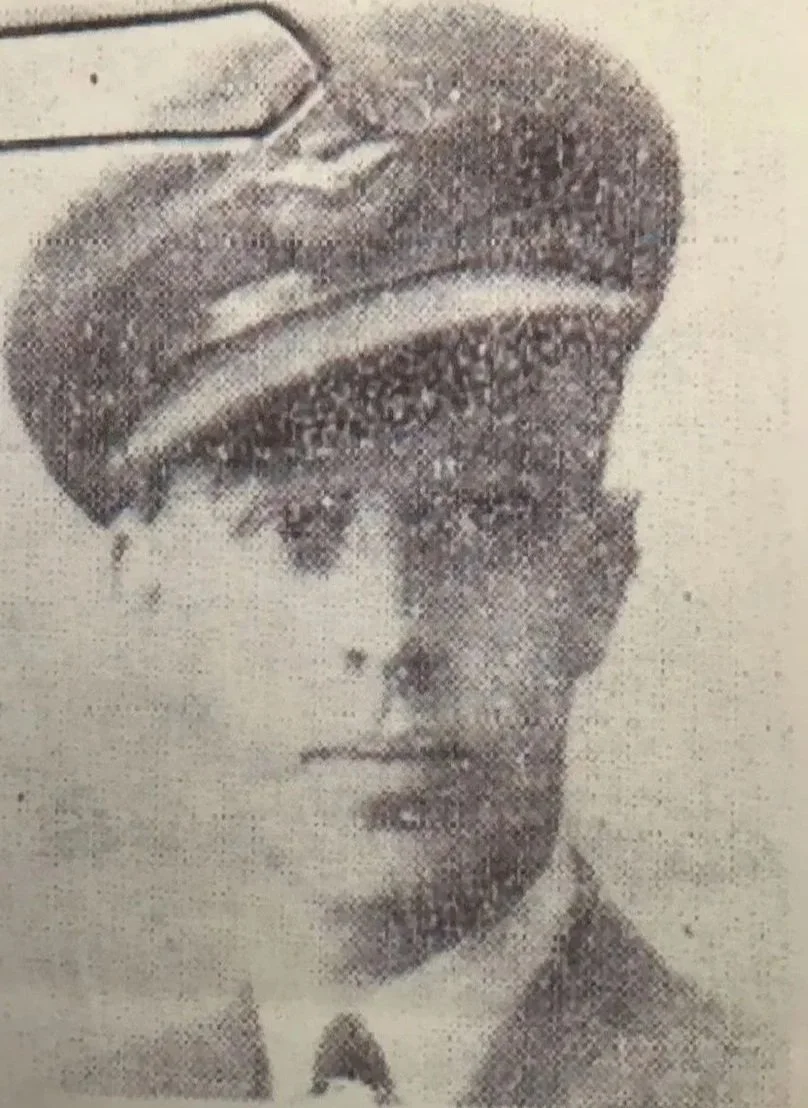
Joseph George Trull - of South Street
Father, Joseph, and three Uncles killed in 1st World War. Served with 228 Squadron RAF Volunteer Reserve. Killed 11th December 1944 aged 27 years when his Sunderland aircraft crashed on operational duties. Buried in the churchyard at St Giles, Uley.
Duncan Robert Roland Lewis Whitfield - of Whitecourt
Served with 44 Squadron RAF Volunteer Reserve. Killed 22nd June 1944 aged 20 years when, as a rear gunner, his Lancaster bomber was shot down over Holland. Remembered at Jonkerbos Commonwealth War Cemetery.